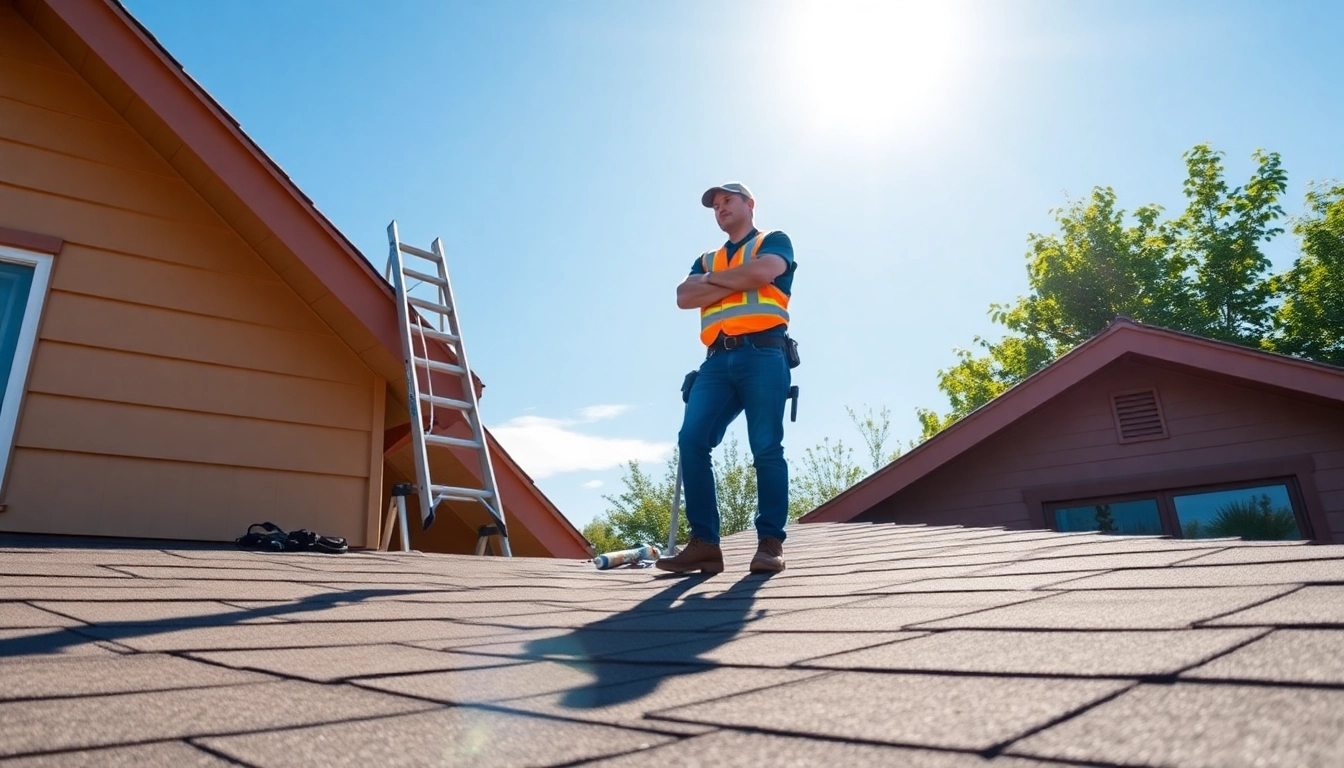
Understanding Roof Leaks: Causes and Symptoms
Roof leaks can be a significant concern for homeowners in the Bay Area, especially considering the region’s unique climate and environmental factors. Understanding the underlying causes and symptoms of roof leaks is the first step in preventing costly damage and ensuring a well-maintained home. Engaging with the topic of roof leak repair Bay Area means ensuring your living space remains safe and dry. This section aims to elaborate on the common causes of roof leaks, how to identify them early, and the role of weather conditions in roof damage.
Common Causes of Roof Leaks in the Bay Area
Several factors can contribute to roof leaks in homes across the Bay Area. The most common causes include:
- Age and Wear: As roofs age, materials can deteriorate, leading to vulnerabilities. Regular inspections can help identify issues before they escalate.
- Improper Installation: Faulty roofing installations can lead to significant leaks. Ensuring a professional installation can greatly reduce risks.
- Weather-Related Damage: Heavy rainfall, strong winds, and the occasional hailstorm can severely impact a roof’s integrity.
- Clogged Gutters: When gutters are blocked, water can pool on the roof, leading to leaks. Regular cleaning is essential.
- Punctures and Cracks: Tree branches or debris may puncture roofing materials, resulting in leaks.
Identifying Roof Leak Symptoms Early
Detecting roof leaks early is paramount to minimizing damage. Here are typical indicators of a roof leak:
- Water Stains: Look for brown or yellow stains on walls or ceilings, which can signify water intrusion.
- Mold Growth: Excess moisture can lead to mold development, which poses health risks.
- Damp Attic: A damp or musty smell in the attic could indicate roof leaks.
- Warped or Buckled Roof Materials: Shingles or tiles that appear distorted may need further inspection.
The Role of Weather in Roof Damage
The Bay Area’s climate can create a unique set of challenges for home roofing systems. Factors include:
- Rainfall Patterns: The rainy season can put pressure on roof structures and expose them to significant wear and tear.
- Wind: High winds can lift shingles or tiles, making roofs vulnerable to leaks.
- Temperature Fluctuations: Extremes can cause materials to expand and contract, potentially leading to cracks.
Steps for Efficient Roof Leak Repair Bay Area
When you are faced with a roof leak, taking immediate action is crucial. Addressing leaks promptly not only helps protect your home from extensive damage but also ensures you maintain its value. Below are essential steps to follow for effective roof leak repair in the Bay Area.
Assessing Roof Damage: What to Look For
Identifying the source of a roof leak involves a thorough inspection. Here are some steps to follow:
- Visual Inspection: Examine shingles, flashing, and gutters for signs of damage or wear.
- Check Inside: Look for water stains or mold in the attic and upper floors.
- Inspect Flashing: Ensure that all metal flashing around chimneys and vents is intact.
Essential Tools Needed for Repair
Depending on the severity of the damage, you may need the following tools for repair:
- Ladder: For accessing the roof.
- Roofing Nails and Hammer: For securing shingles.
- Sealant: To seal minor cracks.
- Utility Knife: For cutting roofing materials as needed.
- Safety Gear: Including gloves and durable footwear while on the roof.
DIY vs. Professional Repairs: Making the Right Choice
Deciding whether to undertake repairs yourself or enlist a professional depends on various factors:
- Experience: If you’re familiar with roofing tasks, DIY might be viable for minor issues.
- Severity of the Leak: Major leaks or extensive damage often warrant professional assistance.
- Time and Tools: Assess if you have the time and tools available for a DIY job.
Preventive Measures for Long-lasting Roof Health
Long-lasting roof health is essential for the structural integrity and safety of your home. Implementing preventive measures can significantly reduce the chances of roof leaks and prolong the lifespan of your roof.
Regular Roof Inspections: Why They Matter
Routine inspections can help discover potential problems early. Here’s why they are important:
- Proactive Maintenance: Regular checks allow for timely repairs, preventing larger issues later.
- Informed Decisions: Assessing the roof’s condition gives a clear picture for budgeting future repairs.
- Enhances Lifespan: Taking care of your roof can extend its service life considerably.
Seasonal Maintenance Tips for Bay Area Homes
Seasonal maintenance ensures that your roof withstands changing weather conditions:
- Spring: Inspect for damage post-winter storms and clear away debris.
- Summer: Revisit gutters for blockages and check seals around vents.
- Fall: Clean leaves and branches that could pile up on the roof and lead to leaks.
Choosing Quality Materials for Longevity
Selecting durable roofing materials can significantly impact the longevity of your roof. Consider these factors:
- Material Type: Asphalt shingles, metal roofs, or tiles all have different lifespans. Choose one that suits your needs.
- Installation Quality: Even the best materials will fail if not installed correctly.
- Climate Suitability: Ensure materials can withstand the Bay Area weather conditions.
Cost Considerations for Roof Leak Repair Bay Area
Understanding cost considerations is essential when dealing with roof repairs. This section provides insights into estimating expenses related to roof leak repair in the Bay Area.
Estimating Repair Costs: A Comprehensive Guide
Costs can vary depending on the extent of the damage and materials used. Here are factors to take into account:
- Type of Repair: Small fixes usually cost less than extensive damage corrections.
- Materials: High-quality materials may incur higher upfront costs but save in the long run.
- Labor: Professional labor should be factored into the total estimate.
Factors Impacting Maintenance Expenses
Several variables can impact your roof repair costs:
- Location: Certain neighborhoods may have different labor rates.
- Accessibility: Roofs that are difficult to access may incur additional service charges.
- Damage Severity: The more severe the damage, the higher the cost of repairs.
Investing in Prevention: Long-term Savings
Investing in preventive maintenance might seem expensive, but it can save money in the long run. Consider:
- Reduced Emergency Repairs: Regular maintenance can decrease the occurrence of urgent repairs.
- Extended Roof Life: A well-maintained roof lasts longer and reduces replacement costs.
- Energy Efficiency: A well-insulated roof can lead to lower energy bills by maintaining internal temperatures.
Frequently Asked Questions about Roof Leak Repair Bay Area
What should I do first if I notice a leak?
Immediately contain the leak by placing a bucket to catch dripping water. Then, assess the source by inspecting your roof or hire a professional to evaluate the damage.
How can I prevent roof leaks in the future?
Regular maintenance, such as inspections, timely repairs, and keeping gutters clean, will help prevent leaks from occurring in the future.
When is the best time to repair a roof in the Bay Area?
Ideally, roof repairs should be done in dry weather, typically during late spring or early fall when conditions are more favorable.
Can I repair a roof leak myself?
Minor leaks may be manageable for a DIY homeowner, but significant issues often require a professional’s expertise to ensure safety and effectiveness.
How can I find a reliable contractor for repairs?
Seek recommendations from friends and family, read reviews, and verify credentials such as licenses and insurance before hiring a contractor for repairs.