Understanding Waterproof Vinyl Flooring
What is Waterproof Vinyl Flooring?
Waterproof vinyl flooring is a resilient and versatile flooring option that combines practicality with aesthetic appeal. Crafted from polyvinyl chloride (PVC), this type of flooring is designed to resist water, making it an ideal choice for areas prone to moisture spills, such as kitchens, bathrooms, and laundry rooms. Unlike traditional vinyl flooring, waterproof vinyl flooring features a special layer which provides enhanced moisture resistance, thus ensuring that water does not seep through to the subfloor beneath. This unique property sets it apart, allowing homeowners to enjoy beautiful flooring without worrying about water damage.
Key Features and Benefits
The benefits of waterproof vinyl flooring extend far beyond its water-resistant capabilities. Here are some of the key features:
- Durability: Waterproof vinyl flooring is designed to withstand wear and tear, making it suitable for both residential and commercial spaces.
- Easy Installation: With options for click-lock installation and adhesive choices, this flooring can be installed over existing floors without the need for extensive renovations.
- Low Maintenance: Unlike other flooring materials that demand significant upkeep, waterproof vinyl merely requires regular sweeping and occasional mopping, making it hassle-free.
- Variety of Designs: Available in numerous designs, patterns, and colors, homeowners can achieve the look of natural wood or stone without the associated maintenance.
- Comfort and Warmth: Vinyl retains heat better than tiles or stone, providing a more comfortable footing during cooler months.
- Affordability: When compared to other high-end flooring options, waterproof vinyl flooring offers a cost-effective solution without compromising on style.
Comparing Waterproof Vinyl to Other Flooring Options
In the realm of flooring solutions, it’s crucial to weigh the options against each other. Here’s how waterproof vinyl stacks up against other common materials:
| Feature | Waterproof Vinyl Flooring | Hardwood Flooring | Tile Flooring |
|---|---|---|---|
| Water Resistance | Excellent | Poor | Good |
| Installation Cost | Low | High | Moderate |
| Comfort Underfoot | High | Moderate | Low |
| Maintenance | Easy | Moderate | High |
This comparison highlights the advantages of waterproof vinyl flooring particularly in durability and maintenance. While hardwood offers unique aesthetic qualities and tile provides a hard surface, neither can compete with the water resistance and upkeep ease of waterproof vinyl, especially in moisture-prone areas.
Choosing the Right Waterproof Vinyl Flooring
Factors to Consider When Selecting
When selecting waterproof vinyl flooring, consider various factors to ensure it meets your needs:
- Thickness: Generally, thicker planks are more durable and offer better sound insulation. Look for options at least 5mm thick.
- Wear Layer: A stronger wear layer provides increased resistance to scratches and dents. A layer of 20 mil or higher is recommended for high-traffic areas.
- Design and Texture: Opt for patterns and textures that complement your home’s decor. High-definition printing technology provides a more realistic appearance.
- Budget: Assess your budget as there are multiple price points depending on design quality and features.
- Environmental Considerations: Many products are made from recycled materials. Look for GreenGuard certifications for sustainability.
Common Design Trends
Design trends for waterproof vinyl flooring can enhance your home’s ambiance. Trending styles include:
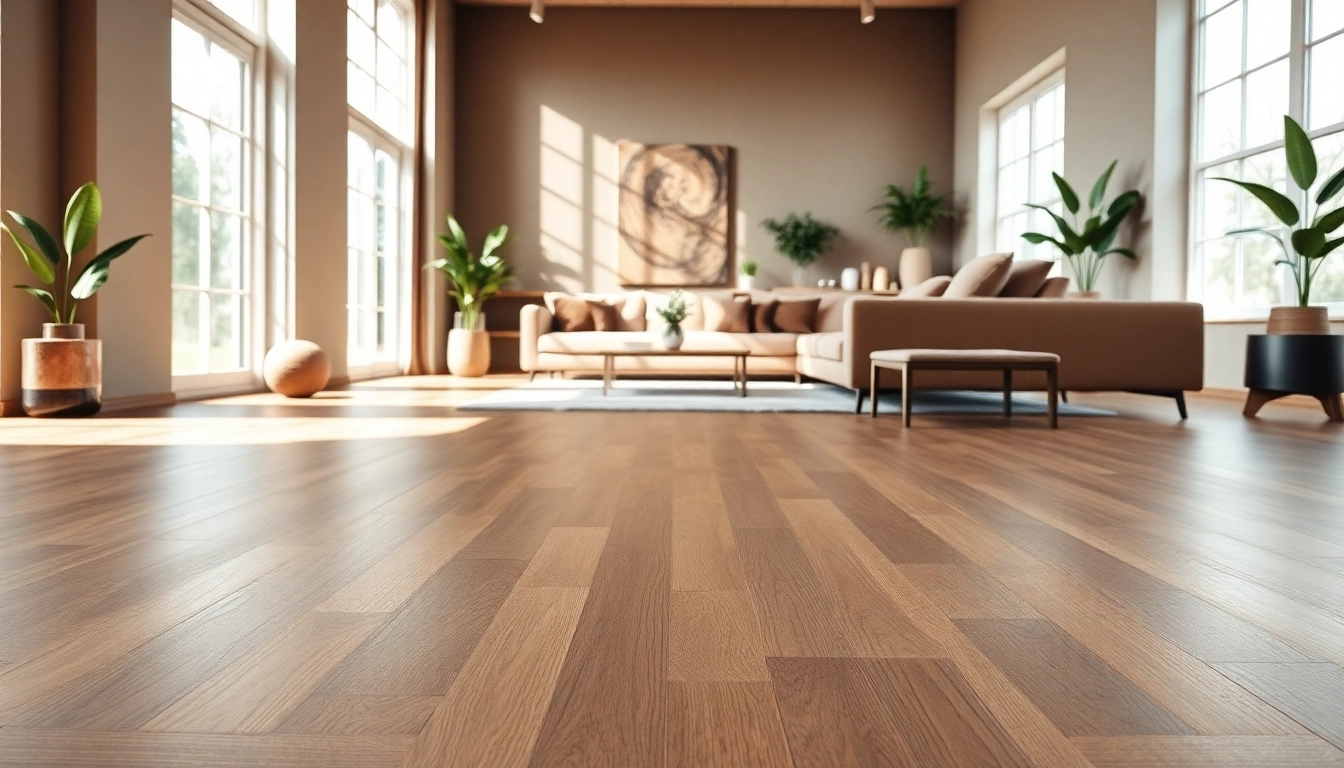
- Natural Wood Looks: Textured vinyl planks that mimic oak, hickory, or distressed wood are popular for their warmth and classic appeal.
- Large Format Tiles: Wider and larger tiles create a spacious feel and reduce grout lines, adding a modern touch.
- Minimalist Patterns: Subtle designs with soft colors cater to minimalist aesthetics, blending seamlessly into modern interiors.
- Bold Patterns: Geometric shapes and vivid colors appeal to homeowners looking for a statement floor.
How to Evaluate Quality and Durability
Evaluating the quality and durability of waterproof vinyl flooring involves a few key assessments:
- Check the Garbage Ratio: A lower garbage ratio indicates a higher quality product, as it means fewer imperfections in the materials used.
- Look for Certifications: Familiarize yourself with third-party certifications like ISO and ASTM that ensure high standards are met.
- Research Brand Reputation: Opt for reputable brands that have consistent positive reviews regarding longevity and performance.
- Warranty: Look for products with extensive warranties, showing the manufacturer’s confidence in their product longevity.
Installation Process for Waterproof Vinyl Flooring
Preparation and Tools Needed
Before diving into the installation of waterproof vinyl flooring, proper preparation is key. Gather the necessary tools and ensure your workspace is ready:
- Tools Required:
- Utility knife
- Measuring tape
- Straight edge or square
- Floor roller (for adhesive options)
- Pull bar and tapping block (for click-lock flooring)
- Pre-Installation Steps:
- Acclimate the flooring in the room for at least 48 hours before installation.
- Ensure the subfloor is clean, dry, and free of debris.
- Repair any cracks or imperfections in the subfloor before proceeding.
Step-by-Step Installation Guide
Follow these steps for a successful installation of waterproof vinyl flooring:
- Plan Your Layout: Determine the direction of the planks or tiles. Lay them out in the desired pattern to visualize the finish.
- Start Installation: Begin in one corner of the room, leaving an expansion gap of at least 1/4 inch between the flooring and the walls.
- Install Planks or Tiles: Depending on the type, either click them together, or apply adhesive as directed, ensuring they fit snugly against one another.
- Cut to Fit: Use the utility knife to cut pieces for edges and corners, ensuring precise sizing to avoid gaps.
- Finish Edges: Once installed, add baseboards or moldings to complete the look and cover expansion gaps.
Professional vs. DIY Installation
Choosing between professional installation and a DIY approach depends on various factors:
- Professional Installation: Hiring professionals may yield high-quality results, save time, and ensure warranties are honored. This is a great choice for larger spaces or complex patterns.
- DIY Installation: For those comfortable with home improvement projects, DIY can be cost-effective and satisfying. However, complications may arise if one is inexperienced, potentially leading to mistakes.
Maintaining Your Waterproof Vinyl Flooring
Cleaning and Care Guidelines
Keeping your waterproof vinyl flooring looking its best requires minimal effort. Simple cleaning practices include:
- Daily Maintenance: Regular sweeping or vacuuming can prevent dirt and debris from scratching the surface.
- Weekly Cleaning: Use a damp mop with a solution recommended for vinyl flooring. Ensure it is not excessively wet.
- Spill Management: Wipe spills immediately to prevent slipping and staining. Water, soap, and vinegar are often sufficient for cleaning stains.
Preventing Damage and Wear
To prolong the life of your waterproof vinyl flooring, consider these preventative measures:
- Use Furniture Pads: Soft pads under furniture legs can prevent scratches and indentations.
- Avoid Excessive Water: Although vinyl is waterproof, avoid standing water, as it can seep through edges.
- Regular Inspections: Consistently check for loose seams or lifting edges and address them immediately.
Addressing Common Maintenance Issues
If you experience issues with your waterproof vinyl flooring, follow these tips:
- Repairing Scratches: Light scratches can often be buffed out using a soft cloth and a vinyl-specific polish.
- Re-seaming: If seams are lifting, use a seam sealer designed for vinyl flooring to reattach and prevent further wear.
- Dealing with Stains: Tough stains may require specific cleaning agents, but always test on an inconspicuous area first.
Frequently Asked Questions about Waterproof Vinyl Flooring
Is waterproof vinyl flooring truly waterproof?
Yes, waterproof vinyl flooring is designed to resist water, making it ideal for moist areas, but it’s essential to clean spills promptly.
How long does waterproof vinyl flooring last?
With proper care and maintenance, waterproof vinyl flooring can last between 10 to 25 years, depending on quality and foot traffic.
Can waterproof vinyl flooring be installed in bathrooms?
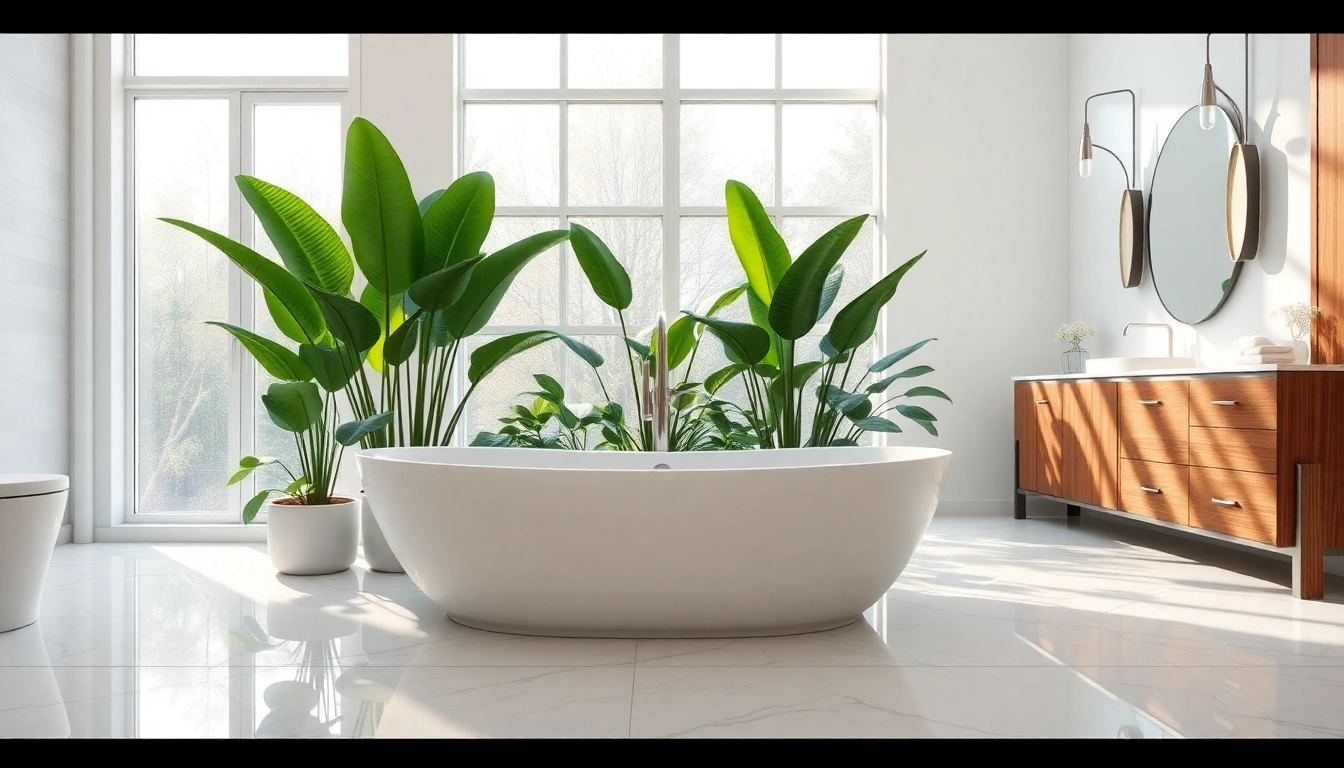
Absolutely! Its water-resistant properties make waterproof vinyl flooring an ideal choice for bathrooms and other humid areas.
What should I use to clean waterproof vinyl flooring?
Use a damp mop and a cleaner specifically designed for vinyl flooring. Avoid harsh chemicals that can damage the material.
Are there eco-friendly options available?
Yes, many manufacturers offer eco-friendly waterproof vinyl flooring options made from recycled materials and low VOC emissions.