Mastering the Art of Sports Broadcasting: Techniques, Trends, and Insights
Understanding the Fundamentals of Sports Broadcasting
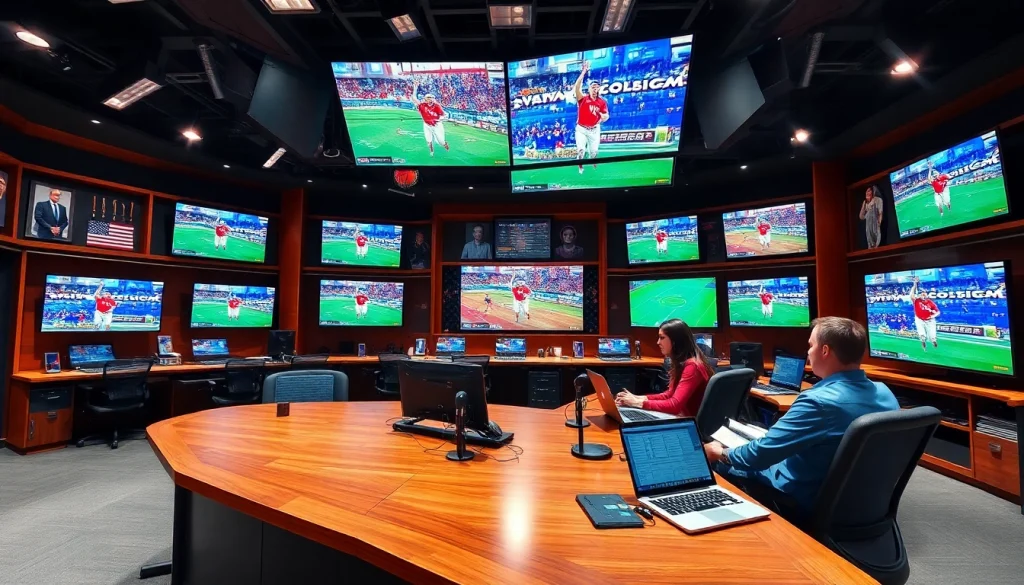
Sports Broadcasting encompasses the live or recorded dissemination of sports events to the public through various platforms, such as television, radio, and the internet. The industry serves a vital role in enhancing fan engagement and providing a venue for athletes to showcase their skills. Understanding the various components involved in sports broadcasting, from key roles and essential equipment to the different formats, is crucial for anyone interested in entering this dynamic field. Sports Broadcasting offers a unique blend of entertainment, information, and cultural significance, making it a powerful medium for communication.
Key Roles in Sports Broadcasting
Sports broadcasting relies on a collaborative effort involving various professionals who play pivotal roles in bringing live events to audiences worldwide. Understanding these roles provides clarity on how sports coverage is orchestrated.
- Play-by-Play Announcer: This role is crucial for narrating the action as it unfolds during live events. The play-by-play announcer provides real-time commentary, explaining complex plays and engaging viewers.
- Color Commentator: Working alongside play-by-play announcers, color commentators add depth to the broadcast by providing insights, analysis, and personal anecdotes related to the sport, enhancing the viewer’s understanding.
- Producers: Producers coordinate the overall show, planning segments, managing the crew, and ensuring that content flows smoothly throughout the broadcast. Their role is vital for meeting deadlines and maintaining high production standards.
- Camerapersons: These professionals operate the cameras that capture the action from various angles. Their skill in framing shots can significantly impact how thrilling a game feels to the audience.
- Technical Engineers: Responsible for the underlying technology that supports broadcasting, technical engineers handle equipment, including microphones, transmitters, and video technology, ensuring that broadcasts maintain high quality.
Essential Equipment for Sports Broadcasting
The right equipment is paramount for successful sports broadcasting, as it directly influences both audio and visual quality. Here’s an overview of the essential tools needed:
- Cameras: High-definition and 4K cameras are essential for capturing fast-paced actions clearly. Multiple cameras often provide varied angles, enhancing the viewing experience.
- Microphones: They capture the sound from the field, including player interactions, crowd noise, and commentary. Both handheld and lapel microphones are commonly used to ensure high-quality audio.
- Wireless Technology: Wireless transmission technology allows for flexibility in movement and reduces clutter on the field, accommodating the fast-paced nature of sports events.
- Editing Software: Advanced editing software is important for post-production work, including highlights and recap videos, ensuring the content is polished before being aired.
- Broadcast Switchers: These enable the integration of various camera feeds and audio inputs, allowing for seamless transitions between angles and segments during live broadcasts.
Types of Sports Broadcasting Formats
Sports broadcasting covers a broad spectrum of formats, tailored to fit different audiences and viewing preferences:
- Live Telecasts: The most traditional format, where events are broadcast as they happen, allowing fans to experience the excitement in real time.
- Recordings and Highlights: These formats provide edited versions of events, showcasing key moments and highlights for audiences who may have missed the live action.
- Analysis Shows: These are dedicated programs analyzing games, player performances, and strategies, often featuring expert opinions and statistical breakdowns.
- Documentaries: Sports documentaries delve deeper into the lives and journeys of athletes, exploring both triumphs and struggles, thus adding emotional depth to the audience’s experience.
- Podcasts: An emerging format, podcasts allow for in-depth discussions regarding sports topics, often featuring guest appearances from sports figures, analysts, and fans alike.
Major Trends Shaping Sports Broadcasting
The sports broadcasting industry is in a constant state of evolution, driven by technological advancements and changing viewer preferences. Below are major trends currently shaping the landscape:
The Rise of Streaming Services in Sports Broadcasting
Recently, streaming services have disrupted traditional broadcasting models. These platforms allow fans to access live games anytime, anywhere, creating a more personalized viewing experience. Platforms like these often provide on-demand content and exclusive behind-the-scenes material, attracting tech-savvy audiences who prefer flexibility over committed viewing times.
Use of Social Media for Sports Broadcasting Engagement
Social media channels such as Twitter, Instagram, and TikTok are playing a significant role in sports broadcasting engagement. Fans use these platforms for real-time updates, commentary, and interactions, creating a two-way communication channel between broadcasters and viewers. Utilizing social media effectively enables broadcasters to reach wider audiences and foster community, as fans desire real-time content sharing related to ongoing events.
Changing Audience Preferences in Sports Broadcasting
A new generation of fans is evolving, with preferences shifting towards shorter, more engaging content. Highlights, clips, and interactive content appeal to younger viewers who seek a more dynamic experience. This shift requires broadcasters to adapt their strategies, focusing on capturing audience attention quickly and delivering content that resonates with contemporary viewer consumption habits.
Best Practices for Effective Sports Broadcasting
Achieving excellence in sports broadcasting involves adhering to best practices that enhance the overall viewer experience. Here are crucial steps broadcasters can take:
Preparing for a Live Sports Broadcasting Event
Effective preparation is the cornerstone of a successful broadcast. This includes rehearsals, pre-event meetings, and technical checks. Each aspect must be meticulously planned to ensure smooth execution on the day of the event.
Managing Audience Interaction During Broadcasts
Interactive elements, such as live polls or social media shoutouts, can significantly increase viewer engagement. Broadcasters should actively encourage audience participation, ensuring that viewers feel included in the experience.
Ensuring Quality Control in Sports Broadcasting
Maintaining high production standards is vital. Regular quality checks during tests, sound checks, and camera framing ensure that the broadcast meets professional standards, resulting in a seamless viewing experience for the audience.
Challenges in the Sports Broadcasting Industry
The sports broadcasting sector faces its share of challenges that can impact both broadcasters and their audiences. Understanding these can help mitigate risks:
Addressing Copyright Issues in Sports Broadcasting
Intellectual property rights remain a hot topic within sports broadcasting. Broadcasters must navigate complex licensing agreements to avoid legal disputes over broadcasting rights. Proper legal counsel and contracts can prevent unnecessary complications.
Overcoming Technical Difficulties During Broadcasts
Technical difficulties can occur at any time, disrupting the broadcast flow. Broadcasters should prepare contingency plans, ensuring teams are trained to handle technical issues swiftly to minimize viewer disruption.
Dealing with Audience Saturation in Sports Broadcasting
As audiences gain access to a multitude of channels, saturation becomes an issue. To remain relevant, broadcasters must consistently innovate their approach, deliver compelling content, and engage audiences in unique ways.
Future of Sports Broadcasting
The future holds immense potential for growth and transformation in the sports broadcasting arena. Understanding emerging trends can equip broadcasters for the changing landscape:
Emerging Technologies Influencing Sports Broadcasting
Technologies such as AI, augmented reality, and machine learning are set to revolutionize how games are broadcasted. AI can provide real-time analytics to enrich broadcasts, while augmented reality enhances viewer experiences, delivering overlays of stats and player performance during live events.
Predictions for Sports Broadcasting Trends
As trends evolve, we can predict increased personalization in content delivery, tailored advertising experiences, and cross-platform engagement. These developments will help broadcasters to not only retain but also attract new audiences.
The Impact of Virtual Reality on Sports Broadcasting
Virtual reality (VR) has the potential to transform viewer engagement, offering immersive experiences that make fans feel as if they are part of the action. As VR technology continues to develop, we may see a growing number of broadcasts incorporating this technology to enhance the viewer experience.
FAQs
What is sports broadcasting?
Sports broadcasting refers to the transmission of sports events through various media, including television, radio, and online platforms, providing fans with access to live or recorded content.
What are the key roles in sports broadcasting?
Key roles include play-by-play announcers, color commentators, producers, camerapersons, and technical engineers, all collaborating to deliver an engaging sports experience.
What types of content are included in sports broadcasting?
Sports broadcasting includes live telecasts, recorded highlights, analysis shows, documentaries, and podcasts, offering diverse formats to engage audiences.
How is technology affecting sports broadcasting?
Emerging technologies like AI, augmented reality, and virtual reality are reshaping how sports are broadcasted, enhancing viewer experiences and engagement strategies.
What challenges does the sports broadcasting industry face?
Challenges include copyright issues, technical difficulties during live broadcasts, and audience saturation, requiring adaptive strategies to meet viewer demands effectively.