
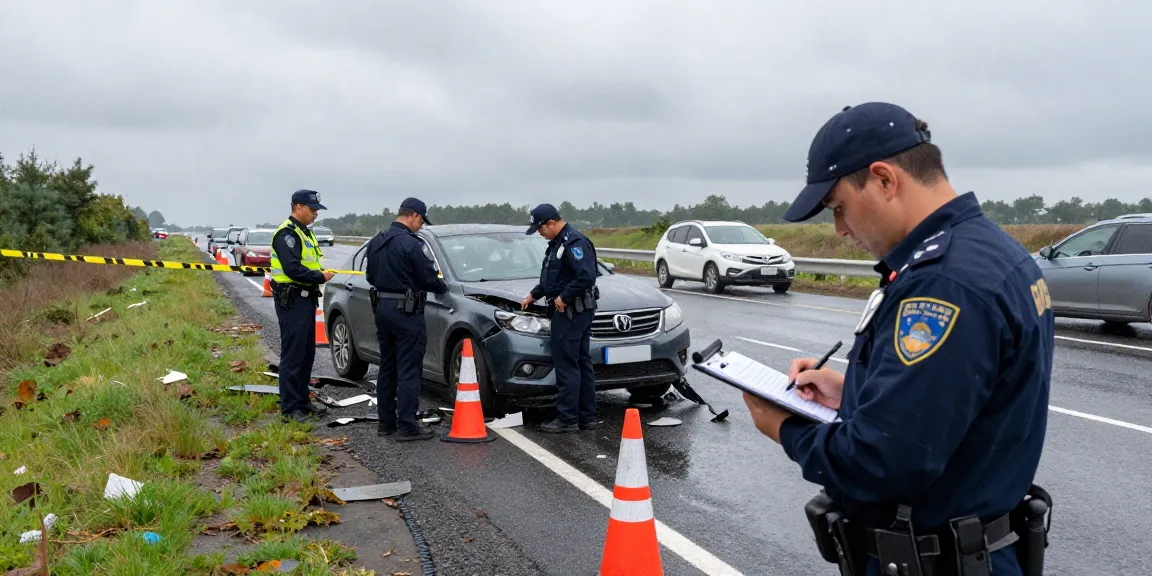
Understanding Vehicle Accident Reports
In the aftermath of a vehicle accident, one of the most critical pieces of documentation is the vehicle accident report. This report serves as an official account of the incident, providing essential details that can affect insurance claims, legal cases, and personal records. Understanding how vehicle accident reports are generated and the importance they hold is vital for anyone involved in a vehicular collision. When exploring options, vehicle accident report resources can offer comprehensive insights into the process of obtaining and utilizing these reports effectively.
What is a Vehicle Accident Report?
A vehicle accident report, often created by law enforcement, is a formal document that outlines the facts surrounding a car accident. This report typically includes information such as the date, time, and location of the accident, the parties involved, details about their vehicles, weather conditions, and statements from witnesses. Depending on jurisdiction, the report may also feature diagrams of the accident scene. These documents are crucial as they not only provide a factual basis for determining fault but also play a significant role in any subsequent legal proceedings.
Importance of Accurate Reporting
Accurate vehicle accident reporting is essential for multiple reasons. First, it helps ensure that all parties involved in the accident are correctly identified and that the details surrounding the incident are recorded factually. Any inaccuracies can lead to disputes regarding liability and can complicate insurance claims. Additionally, a well-documented report assists law enforcement and legal professionals in their investigations, and it can serve as vital evidence in court if necessary. Therefore, both drivers and witnesses should be diligent in providing information that reflects the reality of the situation.
Common Elements Included in Reports
Most vehicle accident reports contain specific key elements, which may vary slightly depending on local laws and regulations. Common components include:
- Name and Contact Information: Details of all parties involved, including insurance information.
- Accident Details: Date, time, and location of the accident.
- Weather and Road Conditions: Information about external factors that may have contributed to the accident.
- Witness Statements: Accounts from individuals who observed the incident.
- Diagrams: Visual representations of the accident scene and vehicle positions.
Gathering Evidence at the Scene
When an accident occurs, gathering evidence on-site can significantly bolster the accuracy of vehicle accident reports. Effective documentation techniques are imperative to ensure a comprehensive overview of the incident.
Documentation Techniques for Accurate Reporting
To create a precise record of the accident, individuals should utilize several documentation techniques, such as:
- Photographs: Capture multiple angles of the vehicles involved, damage to property, and any relevant road signs or signals.
- Video Evidence: If possible, record a video that shows the surrounding area and any contributing factors like traffic conditions.
- Noting Details: Write down the time, weather conditions, and the sequence of events leading up to the accident.
Essential Tools for Accident Investigators
Accident investigators rely on a variety of tools to aid in their analysis. Essential tools include:
- Measuring Instruments: Tools such as tape measures and laser distance measurers to assess the distance between vehicles.
- Mobile Applications: Apps designed for accident reporting that can simplify data collection and provide templates.
- Crash Investigation Kits: Kits containing essential tools for gathering evidence, including notepads, cameras, and first-aid supplies.
Understanding Witness Statements
Witness statements can greatly enhance the narrative of a vehicle accident report. They provide third-party accounts that can corroborate or contradict the statements of those involved in the accident. Important aspects to consider include:
- Clarity and Relevance: Witnesses should provide clear, concise statements that directly relate to the accident.
- Contact Information: Always collect the name and contact details of witnesses for follow-up if needed.
- Variability of Perspectives: Different witnesses may have observed different aspects of the event, so all testimonies are valuable.
Legal Considerations for Vehicle Accident Reports
Understanding the legal implications surrounding vehicle accident reports is crucial for ensuring compliance and protecting one's rights post-accident.
Privacy Issues and Data Handling
Vehicle accident reports often contain sensitive personal information, making privacy a significant concern. Regulations such as the Driver's Privacy Protection Act (DPPA) govern how this data is handled. Parties obtaining reports must ensure they comply with applicable laws and protect the identities of those involved in the accident.
Liabilities Stemming from Inaccurate Reports
Inaccuracies in vehicle accident reports can lead to significant legal liabilities. If a report inaccurately assigns fault, it could result in wrongful insurance payouts or legal action against innocent parties. Therefore, ensuring the report is accurate and factual is essential for all involved.
State Regulations on Reporting Procedures
Each state has its own regulations regarding accident reporting procedures. For instance, some states require drivers to file a report with the Department of Motor Vehicles (DMV) within a certain timeframe if there are injuries or significant property damage. Understanding these regulations is necessary to avoid penalties and ensure compliance with local laws.
Best Practices for Filing and Accessing Reports
Efficiently filing and accessing vehicle accident reports is crucial for managing the aftermath of an accident, particularly when pursuing insurance claims.
How to Request a Vehicle Accident Report
To request a vehicle accident report, individuals typically need to contact the law enforcement agency that responded to the accident. Most agencies provide forms that can be submitted online or in person. It's important to have details such as the date and location of the accident, as well as the case number, if available.
Common Mistakes to Avoid When Filing
When filing a vehicle accident report, common mistakes can derail your case. To avoid these pitfalls, be sure to:
- Provide Complete Information: Ensure all fields on the report are accurately filled out and legible.
- Avoid Emotional Responses: Stick to the facts and avoid adding opinions or emotional language.
- Double-Check for Errors: Review the report before submission to catch any mistakes that could impact your case.
Using Reports for Insurance Claims
Insurance companies typically require vehicle accident reports when processing claims. These reports provide a documented account of the event, which helps insurers determine fault and payout amounts. Additionally, having a clear, professional report can mitigate disputes between parties and streamline the claims process.
Future Trends in Vehicle Accident Reporting
The landscape of vehicle accident reporting is evolving rapidly, influenced by technological advancements and legislative changes. Staying informed about these trends is crucial for drivers and legal professionals alike.
Technology’s Role in Modern Reporting
Modern technology is transforming how vehicle accident reports are generated. Features such as mobile applications enable immediate data collection and integration of multimedia evidence, such as photos and videos, directly into reports. Furthermore, automated reporting systems can improve accuracy and efficiency by reducing human error.
Predictive Analytics and Accident Prevention
As data collection becomes more sophisticated, predictive analytics may play a significant role in accident prevention. By analyzing trends in accident reports, authorities can identify high-risk areas and implement preventive measures to enhance road safety.
Emerging Legal Frameworks for 2026 and Beyond
Looking ahead, changes in legal frameworks may impact how vehicle accident reports are created and utilized. With the rise of autonomous vehicles and increasing digital privacy concerns, new regulations are likely to develop. Understanding these changes will be crucial for all stakeholders involved in vehicle accident reporting.
What should I do immediately after an accident?
Immediately after an accident, prioritize safety by checking for injuries and moving to a safe location if possible. Call emergency services and ensure to document the scene with photos, witness statements, and any other relevant information.
How can I contest information in a vehicle accident report?
If you believe there are inaccuracies in a vehicle accident report, you can often contest it by contacting the reporting agency. Provide evidence that supports your claims and follow the agency’s process for amendments.
Will my insurance cover the costs associated with an accident report?
Most insurance policies cover the costs associated with obtaining vehicle accident reports, especially if they are required for filing a claim. Check with your insurance provider to understand the specifics of your coverage.
What are the common inaccuracies in vehicle accident reports?
Common inaccuracies in vehicle accident reports can include incorrect vehicle details, misidentified parties, and inaccuracies in the sequence of events. It’s critical to review the report carefully for any potential errors.
How long does it take to receive a vehicle accident report?
The time it takes to receive a vehicle accident report varies by state and agency but typically ranges from a few days to a couple of weeks. Factors such as the complexity of the accident and the agency's workload can influence this timeline.