Mastering the Art and Science of Sports Broadcasting for Today’s Viewers

Introduction to Sports Broadcasting
Defining Sports Broadcasting
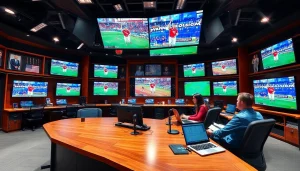
Sports broadcasting encompasses the live transmission of sporting events, highlights, commentary, and analysis via various channels including television, radio, and digital platforms. It plays a crucial role in shaping how sports are perceived and consumed by audiences worldwide. The intricate orchestration involved in delivering real-time sports experiences makes Sports Broadcasting a fascinating blend of technology, artistry, and strategic communication.
History and Evolution
The origins of sports broadcasting date back to the early 20th century when radio became the preferred medium for transmitting sports events. As technology evolved, television emerged in the 1950s, bringing sports closer to fans through live broadcasts. This accessibility transformed sports fandom, as millions could now witness events, independent of location. The last few decades have seen a seismic shift with the introduction of the Internet and streaming services, enabling viewers to watch games on demand and consume content across various devices.
Importance in Modern Media
Today, sports broadcasting plays a vital role in the media landscape, driving viewership and engagement across demographics. Major sporting events generate substantial revenue through advertising and subscriptions, making them pivotal economic engines for media companies. Additionally, sports broadcasting serves as a significant platform for social commentary, cultural discourse, and community building, reinforcing the important connection between sports and society.
Key Components of Sports Broadcasting
Technological Tools Used
The modern sports broadcasting landscape relies heavily on technological advancements that enhance viewing experiences. Key tools include high-definition cameras, drones for aerial shots, and augmented reality graphics that enrich broadcasts. Furthermore, advanced analytics software helps broadcasters provide real-time statistics, elevating the engagement level during games. The integration of these technologies provides audiences with immersive experiences that were previously unattainable.
Broadcast Formats and Styles
Various formats exist in sports broadcasting, including live telecasts, pre-game shows, post-game analyses, and highlight reels. Each format has its unique style tailored to the target audience. For example, live broadcasts focus on the action, while behind-the-scenes shows provide context and personal stories about athletes, creating a more intimate understanding for fans. The choice of format often dictates the level of engagement and viewer interaction, especially in digital environments.
Roles of Commentators and Analysts
Commentators and analysts are pivotal in sports broadcasting, responsible for narrating events and providing expert insights that enhance the viewer’s understanding. Commentators focus on play-by-play descriptions, capturing the excitement of live action, while analysts delve deeper into strategy, player performance, and statistics. This dual-role dynamic creates a rich tapestry of information and entertainment that keeps audiences engaged throughout the broadcast.
Challenges Faced in Sports Broadcasting
Competition and Market Dynamics
The sports broadcasting industry is extremely competitive, with numerous networks and platforms vying for viewer attention. The constant battle to secure exclusive broadcasting rights to major events drives up costs, complicating profit margins. Additionally, consumer preferences shift rapidly, necessitating ongoing innovation and adaptation by broadcasters to retain and grow their audience base. Identifying niche markets and offering tailored content can help companies navigate this landscape.
Regulatory Issues and Rights Management
Regulatory challenges are a significant concern in sports broadcasting, especially concerning intellectual property rights and licensing agreements. Broadcasters must navigate complex legal landscapes that vary by region. This includes adhering to rules about advertising, data usage, and content rights, which can impact how events are broadcasted and monetized. Ensuring compliance while maximizing viewership is a critical challenge for broadcasters.
Adapting to Audience Demands
As audience preferences evolve with changing technology and consumption habits, sports broadcasters must adapt their strategies. Increasing demand for diverse content, including short-form highlights and interactive programming, requires a shift from traditional broadcasting models. Engaging audiences through personalized experiences and accommodating diverse viewing habits are essential for maintaining relevancy in a crowded market.
Best Practices in Sports Broadcasting
Engagement Strategies for Viewers
To enhance viewer engagement, broadcasters are employing various strategies such as engaging social media campaigns, interactive polls, and mobile applications that provide real-time statistics and updates. Incorporating viewer feedback into programming decisions is also crucial. Customization options that allow audiences to select preferred angles or commentary enhance satisfaction, consequently increasing viewership loyalty.
Utilizing Social Media and Technology
Social media plays a pivotal role in sports broadcasting, allowing for real-time interaction with audiences. Broadcasting companies can leverage platforms like Twitter and Instagram to disseminate highlights, engage fans in discussions, and promote upcoming events. Furthermore, integrating technology like VR and AR can significantly enrich the viewer experience, making it more interactive and immersive. This intersection of social media and technology is reshaping how fans engage with sports media.
Creating Compelling Content
Content creation lies at the heart of successful sports broadcasting. This includes not only showcasing live games but also producing documentaries, profiles on athletes, and analyses of historical events. Compelling content tells stories that resonate emotionally with viewers, fostering a connection and loyalty to the broadcast network. Collaborating with credible journalists, analysts, and sports figures can enhance storytelling quality and depth.
Future Trends in Sports Broadcasting
Emerging Technologies and Innovations
Looking toward the future, emerging technologies such as artificial intelligence and machine learning are poised to revolutionize sports broadcasting. These innovations can enhance real-time game analysis and automate content distribution. Likewise, the rise of 5G technology enables more reliable streaming, paving the way for instant replays and multiple camera angles, offering viewers unparalleled access to sporting events. Preparing for these trends is essential to remain at the forefront of the industry.
Changing Audience Preferences
The demography of sports viewers is shifting, with younger audiences gravitating toward on-demand content over traditional broadcasts. This trend demands broadcasters invest in flexible viewing options and explore innovative formats like podcasting or live-streaming events on social media. Understanding and catering to these evolving preferences is crucial for broadcasters to sustain growth and relevance.
The Role of Streaming Services
Streaming services have dramatically altered the sports broadcasting landscape, with many fans now preferring to watch events online rather than on traditional television. Services offer on-demand access to a variety of sports, often at a lower cost and with fewer restrictions. As competition grows, traditional broadcasters must evolve their business models and explore collaborations with streaming platforms to reach wider audiences and offer diversified content.
Frequently Asked Questions
What is sports broadcasting?
Sports broadcasting involves the transmission of live sports events and related commentary through television, radio, and online platforms, aiming to engage and inform fans about various sports.
How has technology influenced sports broadcasting?
Technology has enhanced the viewing experience through high-definition broadcasts, analytics tools, and interactive technologies like VR and AR, providing richer coverage.
What are the main challenges faced by sports broadcasters?
Challenges include competition for viewer attention, regulatory compliance, rights management, and adapting to rapidly changing audience preferences in content consumption.
How can broadcasters engage viewers effectively?
Broadcasters can enhance viewer engagement through interactive content, social media integration, and personalized viewing options, creating a more immersive experience.
What is the future of sports broadcasting?
The future includes greater reliance on streaming services, emerging technologies like AI, and a shift toward on-demand and flexible viewing options to meet changing audience demands.